
Student Success
The Graduate School broadly defines diversity. This definition includes but is not limited to graduate and professional students who are racially/ethnically diverse, first-generation, international, LGBTQIA+, or are military-affiliated.
Mission:
Diverse experiences, backgrounds, viewpoints, and contributions are key elements for the success of any enterprise. The Graduate School at The University of North Carolina at Chapel Hill is committed to sustaining a diverse graduate student body and fostering a climate of inclusion and acceptance. We aim to contribute to the successful degree completion of each student through targeted academic and professional development programs.
Access:
The Graduate School is committed to a diverse graduate study body and through Student Success, is involved in broad access efforts. We welcome the opportunity to work with programs, departments, and schools to support their recruitment efforts.
“I cannot imagine completing my doctoral program without the support, community, and resources I received from [Student Success]. Their programs have been vital for me as I successfully applied for fellowships and grants and as I tackled the milestones needed to finish my degree. I am forever grateful for DSS.” —Brionca Taylor; Ph.D. candidate; Department of Sociology
Upcoming Events
Monday 6:00 pm
DSS & ISS: Late Night Study
Tuesday 12:00 pm
Destress with DSS
Tuesday 1:00 pm
Study Hall Tuesday
Recent Highlights
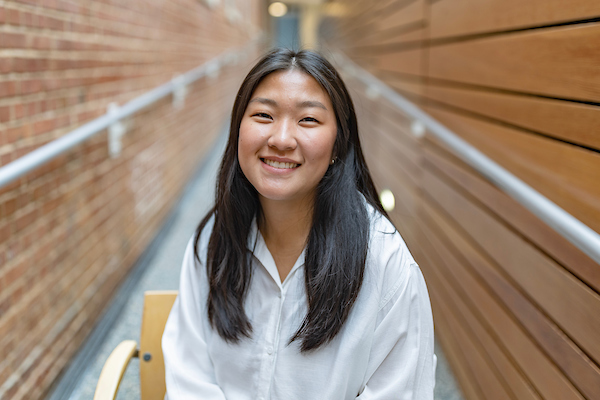
#GDTBATH: Rebekah Lim
Rebekah Lim, a master of public health student, is using her time with the Diversity and Student Success program to build a stronger network and community for graduate students who identify as Asian Pacific Islander Desi American.

Celebrating Black History Month—Xavier Bonner
Xavier Bonner is a Ph.D. candidate in the Department of Biochemistry and Biophysics at the UNC School of Medicine.

Celebrating Black History Month—JeMya McClendon
JeMya McClendon is a master’s degree student who is studying nutrition at the UNC Gillings School of Global Public Health.

Surviving and Thriving digital exhibit
Throughout the fall semester, The Graduate School’s Diversity and Student Success program hosted several pop-up exhibits in departments and units to explore anonymous stories from graduate students of color through interactive storyboards. Now the pop-up exhibit is available in a digital format.